EPA highlights progress on Tijuana River sewage crisis projects
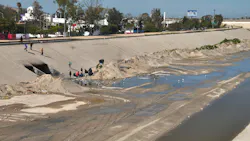
The U.S. Environmental Protection Agency (EPA) released its second quarterly update of 2026 outlining progress on U.S. and Mexican efforts to address the long-running Tijuana River sewage crisis, highlighting advancements on wastewater infrastructure projects and cross-border agreements signed in 2025.
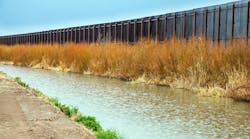


According to EPA, Mexico has begun construction on Pump Station 1, a project expected to increase pumping capacity to 80 million gallons per day (MGD) and reduce the risk of major sewage discharges. Construction is expected to be completed in November 2027. Mexico is also advancing the Tijuana River Gates project, which is designed to prevent at least 5 MGD of sewage from entering the river. Phase 1 is expected to be complete in July, with the full project scheduled for completion in January 2027.
EPA also reported continued progress on expanding the South Bay International Wastewater Treatment Plant to 50 MGD, with the U.S. International Boundary and Water Commission advancing site preparation and procurement of long-lead equipment. Rehabilitation of the Parallel Gravity Line, which has experienced multiple pipeline failures in recent months, remains on track for completion in August 2026.
During two pipeline collapses in May, the South Bay plant treated flows exceeding 40 MGD while additional personnel and equipment were deployed to prevent transboundary wastewater from reaching San Diego communities.
"At the Trump EPA, we practice what we preach. When we promise an urgent and permanent 100% solution to this crisis, we deliver one," EPA Administrator Lee Zeldin said in a statement. "We're continuing our relentless pace in ensuring that Mexico meets its funding commitments, that projects are being built on the tightest possible timelines, and that actions are being taken to plan for future population growth in the region."
The update also notes that Mexico is moving forward with rehabilitation of several sewer collectors, interceptors and pump stations, while both countries continue implementing additional planning, monitoring and operation strategies established under Minute 333 to improve long-term wastewater management and accommodate future growth in the Tijuana region.