DC Water details environmental impacts from Potomac Interceptor collapse
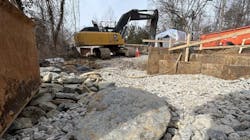
DC Water has released new findings on environmental impacts following the Jan. 19 collapse of a section of the Potomac Interceptor near the Clara Barton Parkway and the C&O Canal National Historical Park, estimating that approximately 243 million gallons of wastewater overflowed from the site.
According to flow monitoring data, about 194 million gallons of the total discharge occurred within the first five days of the incident, before interim bypass pumping significantly reduced overflow volumes. Peak wastewater discharge was estimated at roughly 40 million gallons per day, representing about 2% of the Potomac River’s total flow during that period.
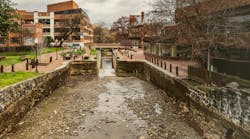
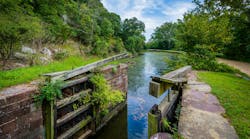
Ongoing water quality monitoring shows improving conditions downstream of the discharge point near Lock 10. Since Feb. 1, E. coli concentrations at downstream sampling locations have remained within U.S. Environmental Protection Agency guidelines for primary contact recreation, with the exception of one day at Fletcher’s Boathouse. Elevated E. coli levels persist within the drainage channel where the overflow occurred, which DC Water attributed to residual discharges and snowmelt flushing remaining wastewater from the creek bed.
Efforts to access the damaged section and finalize repairs have been complicated by the discovery of a rock dam inside the interceptor that restricts internal access. DC Water is implementing a revised repair approach expected to take four to six weeks, including construction of a new bypass pump location, new upstream and downstream access points, and installation of an upstream bulkhead to limit flows to the damaged section.
The existing bypass system remains operational and continues to divert wastewater around the collapse and back into the interceptor, though limited overflows have occurred during periods of snowmelt and brief pump maintenance. DC Water said the likelihood and volume of any future releases are expected to remain minimal as work continues.
DC Water is coordinating daily with federal, state and local partners to monitor environmental impacts and develop remediation measures as repairs progress.