NYC completes $155 million upgrade to Coney Island wastewater facility
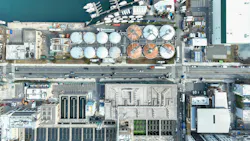
The New York City Department of Environmental Protection (DEP) has completed a $155 million modernization of the Coney Island Wastewater Resource Recovery Facility, replacing the plant's main sewage pumping system with new equipment designed to improve reliability and reduce energy use.
The upgraded system moves up to 220 million gallons of wastewater per day through the treatment process during wet weather and uses 20% less electricity than the previous pumping system, lowering operating costs and greenhouse gas emissions. According to DEP, the emissions reduction is equivalent to removing 109 gasoline-powered passenger vehicles from the road.
“The Coney Island Wastewater Resource Recovery Facility paved the way for cleaner water and beaches across the city and this $155 million investment at the City’s very first treatment plant honors its legacy as the starting point of modern wastewater treatment in New York,” said DEP Commissioner Lisa F. Garcia in a press release. “These upgrades ensure the facility continues to protect the area’s waterways and coastline in a more sustainable, efficient and cost-effective way.”
The five-year project replaced pumps that had been operating for more than 30 years and included upgrades to the facility's mechanical, electrical, ventilation and control systems. Construction was completed while the plant remained in operation, allowing the facility to continue serving nearly 600,000 residents across a 15,000-acre service area in southern and central Brooklyn.
On an average day, the Coney Island facility treats about 110 million gallons of wastewater, with capacity to process up to 220 million gallons per day during storms. Originally opened in 1886 as New York City's first wastewater treatment plant, the facility is one of 14 wastewater resource recovery facilities operated by DEP, which collectively treat approximately 1.3 billion gallons of wastewater each day.