Schneider Electric launches intelligent motor management system for water and wastewater
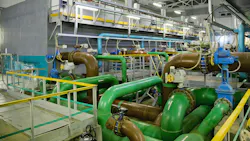
Schneider Electric has introduced its next-generation TeSys Tera intelligent motor management system, designed to improve reliability, energy efficiency and asset performance across industrial sectors, including water and wastewater.
The system was unveiled at Texas Water 2026 and combines motor protection, control and monitoring into a single modular platform. TeSys Tera is built to help utilities address growing challenges such as aging infrastructure, workforce shortages and rising operational demands.
“Industrial operators are under pressure from aging equipment, workforce shortages and rising uptime demands. TeSys Tera provides the insight and flexibility needed to anticipate issues, maintain reliability and improve energy efficiency across industrial applications,” said Marta Asack, senior vice president, power products, Schneider Electric, in a press release. “It’s designed to help customers stay ahead of emerging challenges—and it demonstrates how Schneider Electric is shaping the future of industrial motor management.”
Motors account for nearly 70% of industrial electricity use and are critical to wastewater operations such as pumping and aeration. TeSys Tera continuously monitors parameters like current, voltage and power factor, enabling real-time visibility and predictive diagnostics to identify issues before failures occur. The system also supports load shedding, auto-restart functions and multi-protocol connectivity for integration with existing SCADA and distributed control systems.
Additional capabilities include motor-level energy monitoring to identify inefficiencies and on-device programming designed to reduce reliance on PLC expertise, a key benefit as utilities face workforce turnover.
TeSys Tera integrates with Schneider Electric’s EcoStruxure platform, supporting centralized monitoring across facilities. According to the company, its digital solutions can improve energy efficiency by up to 30% and reduce total cost of ownership by up to 20%.
The system is now available in North America for both new installations and retrofits, with the company planning to phase out its previous TeSys T platform in the third quarter of 2026.