Bipartisan bill targets funding for advanced wastewater treatment and PFAS removal
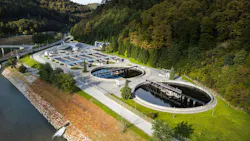
U.S. Reps. Haley Stevens and Brian Fitzpatrick have introduced the bipartisan Advanced Wastewater Treatment Assistance Act, aimed at helping utilities upgrade infrastructure, address emerging contaminants such as PFAS and maintain affordability for ratepayers.
The legislation would establish a five-year, $1 billion federal grant program to support advanced wastewater treatment projects, covering up to 50% of project costs. At least 49% of funding would be directed to financially disadvantaged communities, with cost-share requirements waived for those recipients.
“Clean water is essential for our health, our economy, and the future of the Great Lakes,” said Rep. Stevens in a press release. “Michigan knows all too well the impact of contaminants like PFAS on our communities. This legislation will help utilities deploy next-generation wastewater treatment technologies, modernize infrastructure, and keep water safe and affordable.”

“Across the country, communities are facing a growing challenge: confronting contaminants like PFAS, modernizing aging wastewater infrastructure, and doing so without imposing unsustainable costs on families and ratepayers,” said Rep. Fitzpatrick in a press release. “This bipartisan legislation delivers the kind of smart, targeted federal partnership needed to help utilities deploy proven treatment technologies, strengthen public health protections, and keep water affordable. As Co-Chair of the bipartisan Congressional PFAS Task Force, I have worked to keep these issues at the forefront, and this bill is an important step toward giving communities the tools they need to meet today’s challenges and build long-term water resilience.”
According to the bill’s sponsors, utilities are facing rising costs to implement advanced treatment technologies such as granular activated carbon and reverse osmosis to remove persistent contaminants. The legislation also calls for a national study on the effectiveness of these technologies in addressing pollutants like PFAS.
The proposal has received support from National Association of Clean Water Agencies, whose CEO emphasized the financial pressures utilities face in adopting advanced treatment solutions.
If enacted, the bill would also cap administrative costs at 1% for the U.S. EPA and participating states, while prioritizing investments that protect public health and support long-term water quality improvements.