Rethinking Strut Supports for Water and Wastewater Treatment Projects
Key Highlights
- Steel strut is heavy, difficult to modify in the field, and prone to corrosion, creating installation and maintenance challenges in water and wastewater facilities.
- Lightweight, nonmetallic strut supports simplify cutting and drilling with basic tools, improving labor efficiency and jobsite safety.
- Corrosion-resistant fiberglass strut systems provide durable, long-term support for conduit piping in harsh water and wastewater environments.
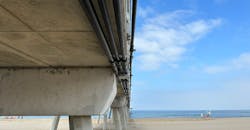
In large industrial water and wastewater treatment facilities, the selection of strut supports can influence both installation efficiency and long-term performance. Traditional steel strut systems have long been a default choice for supporting conduit, piping, and mechanical systems. However, mechanical engineers and field crews frequently encounter challenges with steel, particularly in corrosive environments where moisture, chemicals, and humidity compromise durability and labor productivity.
The Hidden Costs of Steel Strut
Steel strut supports are heavy and inherently susceptible to corrosion. In corrosive settings like wastewater plants, this can lead to rust, structural degradation, and increased maintenance over time.
On-site installation with steel adds another layer of difficulty. Cutting and drilling steel strut typically requires power tools (saws, grinders, drill presses) and strict safety measures to manage sparks, heavy material handling, and noise. These requirements slow installation and may require specialized labor or PPE, increasing project timelines and labor costs. Conventional steel strut also remains heavy to move and position, which contributes to physical strain for field installers and logistical challenges on crowded job sites.
A Practical Alternative: Lightweight, Corrosion-Resistant Strut Supports
For applications where corrosion resistance and ease of installation are priorities, non-metallic strut supports made from fiberglass present an effective alternative. These engineered materials combine continuous strands and mats of glass fiber immersed in resin then pulled through a heated die. This process creates components that are durable, lightweight, and inherently resistant to the corrosion found in wastewater and water treatment environments.
Compared with steel, lighter fiberglass strut channels support reduced effort in handling, lifting, and installing supports on site. The fiberglass composition simplifies cutting and drilling: typical hand saws and standard drills with basic bits can make field-adjustments quickly, without the need for specialized equipment.
In addition to physical ease of use, fiberglass strut systems deliver long-term durability where moisture, hydrogen sulfide, chlorides, and other corrosive agents are prevalent. Unlike steel, fiberglass strut channels and fittings do not rust or pit over time, reducing maintenance requirements and extending service life, a critical consideration for long-lifecycle infrastructure.
Supporting Conduit and Piping with Confidence
For conduit and piping support, reliability matters. Mechanically strong, corrosion-resistant fiberglass strut systems deliver stable support for conduit and piping runs while minimizing the need for future intervention. Their lightweight nature and compatibility with common installation tools boost field productivity and safety, easing installation and enabling project teams to meet tight schedules without compromising structural performance.
For mechanical engineers working on large water and wastewater treatment projects, evaluating strut support materials beyond traditional steel can reveal opportunities for cost savings over the life of a facility, particularly in corrosive or high-humidity settings.
Learn more about corrosion-resistant fiberglass conduit and piping and support solutions and how they can improve project outcomes in wastewater applications.
Sponsored by: