EPA awards $191M WIFIA loan to Wichita wastewater system improvements
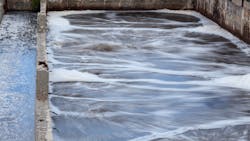
The U.S. EPA announced a $191 million Water Infrastructure and Innovation Act (WIFIA) loan to the City of Wichita, Kansas, to support its Biological Nutrient Removal Improvements Program.
The loan will help the Wichita upgrade two critical wastewater facilities, advancing technologies for water reuse and reducing the nutrient loads in the Arkansas River and Mississippi River Basin.
“EPA is proud to partner with the City of Wichita on this project that will create jobs and strengthen water quality that supports residents, businesses, agriculture, and recreation,” said EPA Assistant Administrator for Water Radhika Fox. “An investment in water infrastructure is an investment in our communities. That’s why EPA is partnering with states and local leaders to accelerate water infrastructure investments through the WIFIA program and with $50 billion under President Biden’s Bipartisan Infrastructure Law.”
“Our water utilities are our most important resource,” said Wichita Public Works and Utilities Director Gary Janzen. “We are so thankful for the EPA for the strong partnership to help us move forward with securing our water infrastructure for generations to come.”
The City of Wichita and the Department of Public Works & Utilities staff have been preparing for Wichita's water future through an ongoing planning process, which includes the Biological Nutrient Removal Improvements Program. The program will help to reduce the City’s nutrient contribution to the Arkansas River and Mississippi River Basin, address local odor concerns, meet growing demand with anticipated population growth, and update aging infrastructure.
The program also supports compliance with future regulatory requirements and aligns with regional and national water quality objectives, including the Kansas Nutrient Reduction strategy and nutrient reduction in the Gulf Hypoxia zone.
The WIFIA program will allow the city to take advantage of low interest rates and will save Wichita approximately $89 million, ultimately saving community ratepayers money.