Tijuana pipeline collapse sends heavy flows to South Bay wastewater plant
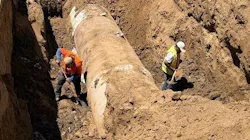
The U.S. Section of the International Boundary and Water Commission said crews are responding to another collapse in Tijuana’s Parallel Gravity Line, a key wastewater conveyance pipeline that transports sewage to the San Antonio de los Buenos treatment plant in Mexico.
According to USIBWC, Mexican authorities shut down several pumps along the border following the collapse, resulting in increased wastewater flows and odors in the Tijuana River Channel. The agency said this is the second rupture reported in roughly two weeks on the 10-mile pipeline, which is currently undergoing rehabilitation as part of binational infrastructure upgrades tied to Minute 333.
The South Bay International Wastewater Treatment Plant continued operating during the incident and handled significantly elevated flows over the weekend. USIBWC reported the facility, designed for 35 mgd, treated flows exceeding 45 mgd for 13 hours and peak flows above 60 mgd for nine hours.
USIBWC Commissioner Chad McIntosh said he contacted Mexico’s IBWC leadership to request around-the-clock repair efforts and urged immediate action to limit sewage discharges into the Tijuana River. Replacement piping reportedly arrived at the repair site over the weekend, though Mexican officials said repairs could still take several days.
USIBWC said canyon collectors along the border continue intercepting and diverting dry-weather transboundary sewage flows to the South Bay plant, while agency crews monitor sediment, debris and additional flow impacts associated with the collapse.