Surfrider report warns aging wastewater infrastructure threatens beach water quality
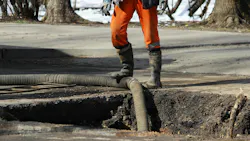
Surfrider Foundation has released its 2025 Clean Water Report, warning that aging wastewater infrastructure, increasing extreme weather events and potential federal funding cuts are placing growing pressure on coastal water quality across the United States.
The report estimates the nation faces a $630 billion backlog in wastewater infrastructure repairs and upgrades, contributing to more than 900 billion gallons of untreated sewage entering U.S. surface waters annually. Surfrider also cited nearly 10 trillion gallons of untreated stormwater runoff carrying pollutants into waterways each year.
Among the major incidents highlighted was the January 2026 collapse of the Potomac Interceptor near Washington, D.C., which released more than 240 million gallons of untreated sewage into the Potomac River. The report noted that E. coli levels surged well above EPA recreational safety thresholds following the spill.
Surfrider’s volunteer-run Blue Water Task Force collected more than 10,000 water samples from 620 beaches in 2025, making it the organization’s largest monitoring effort to date. According to the report, 23% of samples exceeded state recreational water quality standards, while 65% of beaches tested had at least one failed sample during the year.
“Most of America’s ocean beaches test clean most of the time — but our data is revealing hot spots where families are being exposed to dangerous levels of bacteria, often in communities the government isn’t testing,” said Surfrider's Clean Water Initiative Associate Director Mara Dias in a press release.
The organization also raised concerns about a federal proposal to eliminate EPA BEACH Act grants, the nation’s primary federal funding source for beach water quality monitoring programs. Surfrider is urging Congress to maintain support for the program and increase investment in clean water infrastructure funding, including the Clean Water State Revolving Fund.
The report additionally pointed to climate-driven storm events increasingly overwhelming aging wastewater systems, including severe flooding events in Hawaii earlier this year that generated what Surfrider described as a “1-in-1,000-year” rainfall event.