Column: Key opportunities on Capitol Hill for water stakeholders in 2026

With a busy legislative calendar ahead, including reauthorization efforts and major policy debates, Water Lobbyist Mae Stevens encourages water stakeholders to engage early, communicate needs clearly, and stay informed to maximize opportunities in funding, project approval, and policy reforms.
Jan. 16, 2026
4 min read

Key Highlights

  • The FY26 appropriations bills for water infrastructure have passed, with flat funding levels representing a notable victory amid broader budget cuts.
  • Early engagement from utilities and stakeholders is crucial for influencing funding, program performance, and project delivery outcomes in the upcoming legislative cycle.
  • Congress is actively discussing reauthorization of EPA water programs and is preparing to advance the Water Resources Development Act (WRDA) in 2026.
  • Long-term legislative priorities include the Farm Bill, surface transportation reauthorization, and permitting reform, all competing for attention in a crowded policy environment.
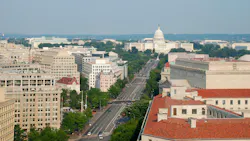

As we begin the New Year, Congress is entering the second session of the 119th Congress with a full agenda. The coming weeks will be shaped by both unfinished business from 2025 and early momentum around legislative priorities expected to define the year ahead. For the wastewater sector, that mix of deadlines and early positioning will matter as much as the headlines.

While the headlines may make it seem like Washington is rife with drama and intrigue (it always is!), water remains one of the few places where bipartisanship reigns and Congress continues to move important policy and funding matters forward. 

One immediate focus remains the FY26 appropriations process. While some funding measures have passed, several bills remain unresolved, leaving limited time and increasing pressure on leadership and committees to reach agreement. Appropriations can feel procedural, but it has real operational impact for water programs. Beyond topline numbers, it drives private investment in the sector, shapes how agencies set priorities, how quickly funds move, and what Congress expects to see in terms of implementation and outcomes.

About the Author

Mae Stevens

Mae Stevens

Current Strategies CEO

Mae Stevens is the CEO of Current Strategies, a multimillion-dollar public affairs firm in Washington, D.C., and the only firm dedicated to water infrastructure. She leads the firm’s strategic counsel, advocacy, and coalition management efforts to advance critical infrastructure priorities across all clients.

A recognized national leader in water policy, she wrote the legislation that addressed the Flint water crisis and authored the first-ever federal low-income water customer assistance legislation, while working as the top environment and public works advisor for Sen. Ben Cardin.

Stevens has been named one of The Hill’s Top Lobbyists in 2021, 2022, 2023, 2024, and 2025 reflecting her influence in shaping policy and delivering results for clients across Fortune 500, municipal, and nonprofit sectors.

Her career has spanned senior roles on Capitol Hill and leading public affairs firms, where she has consistently bridged policy expertise and real-world impact.

She is a graduate of Columbia University and The George Washington University.

Sign up for our eNewsletters
Get the latest news and updates