Members Only
What it took to rehabilitate wastewater infrastructure for the Puget Sound
Key Highlights
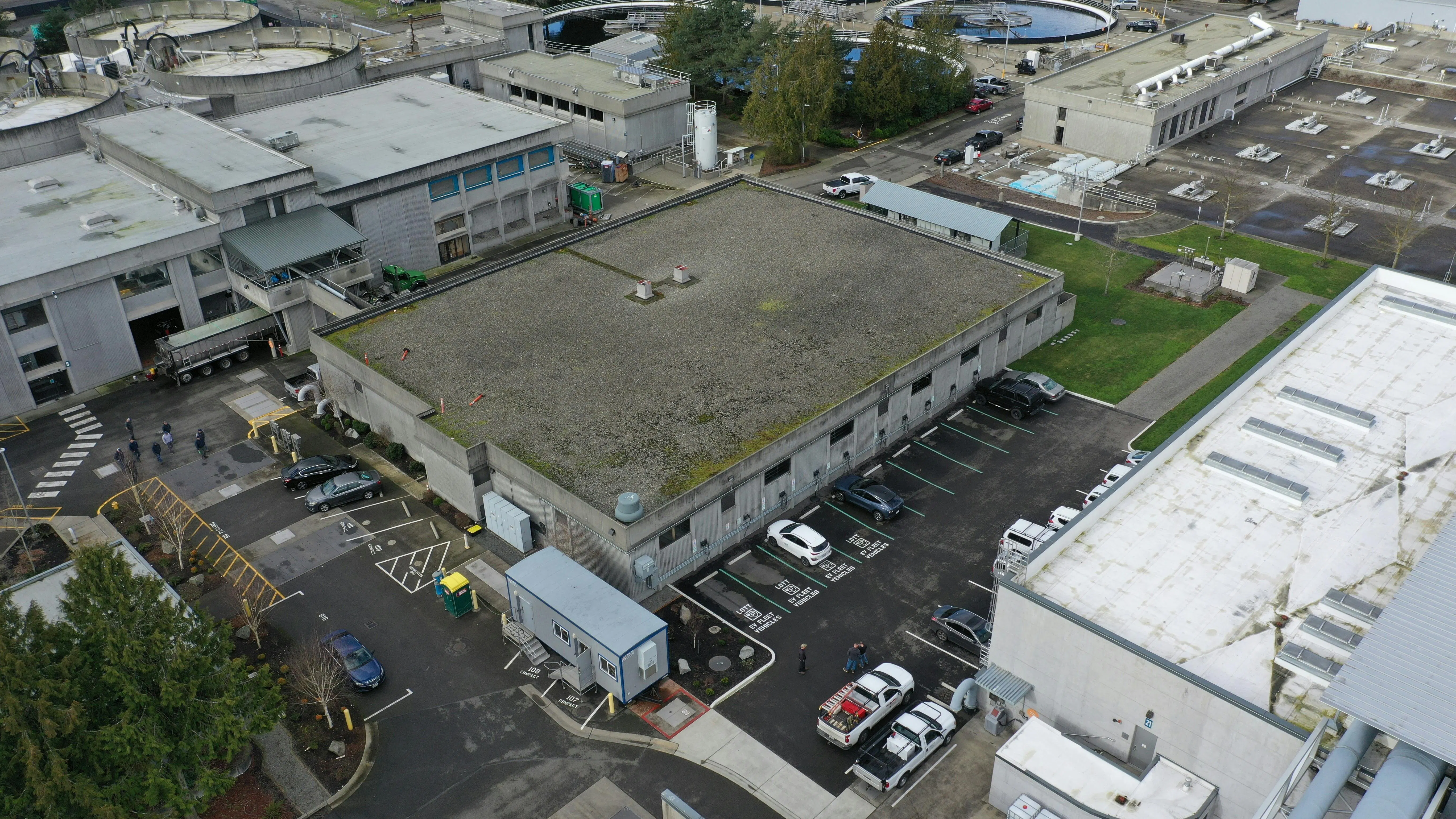
- The project extended the building's lifespan by 25 years through structural renewal and seismic upgrades, avoiding demolition costs and environmental impact.
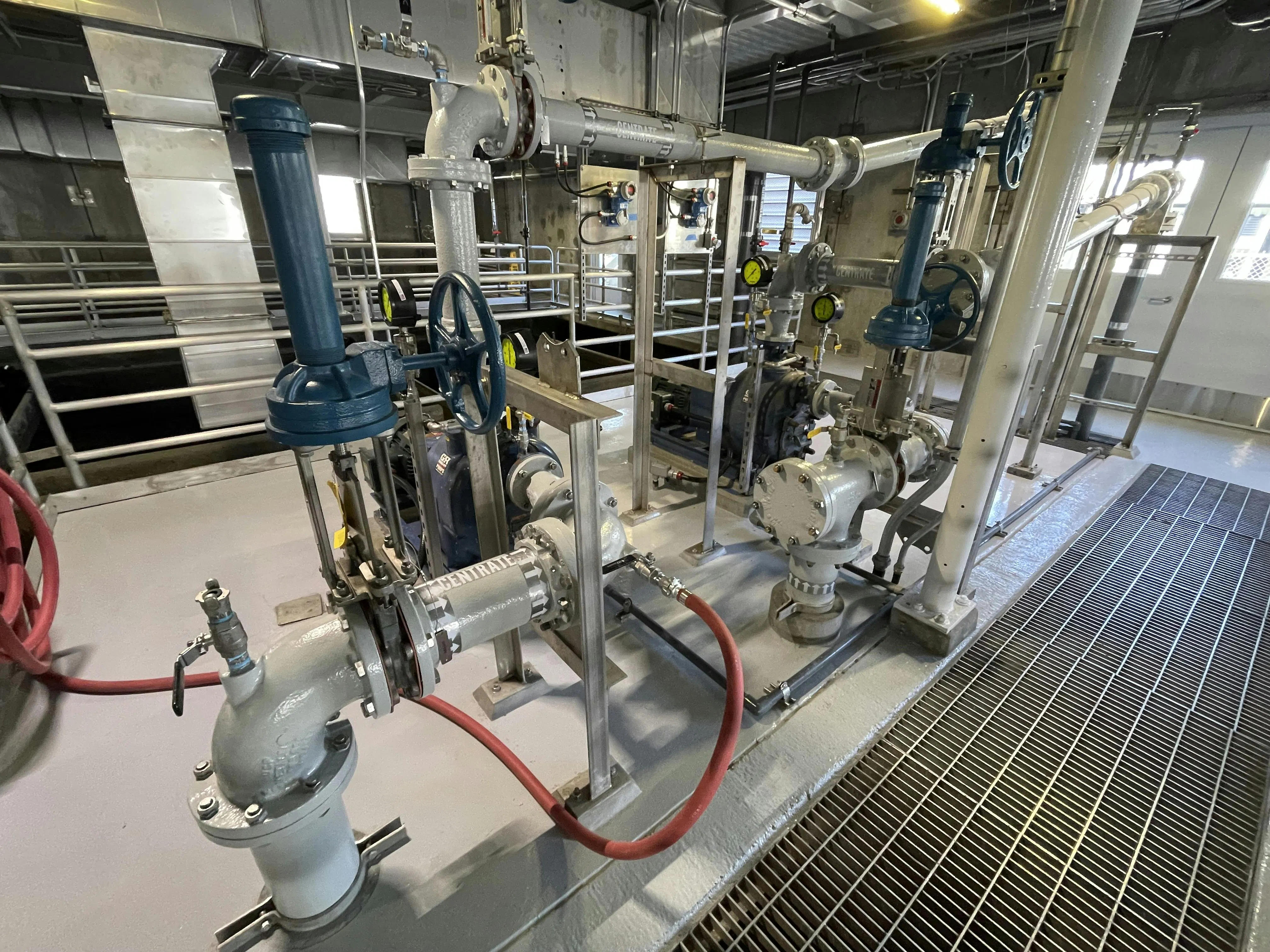
- Innovative centrate management allows precise control of ammonia-rich streams, reducing toxicity, energy use, and nutrient loads in effluent.
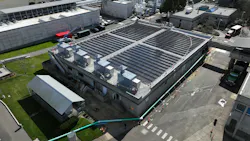
- Installation of solar panels and adjustable air flow systems decreased energy consumption and greenhouse gas emissions, aligning with sustainability goals.
- Adaptive reuse of existing concrete structures minimized material waste and embodied carbon, demonstrating sustainable construction practices.
- Enhanced odor control and air quality management improved working conditions and minimized community impacts, ensuring compliance with strict effluent limits.