Combating Corrosion in Your Plant's Critical Infrastructure
Key Highlights
- Corrosion poses persistent threat to wastewater treatment equipment and maintenance costs.
- Five protective coating types offer specific advantages for different equipment and environments.
- Powder coatings provide durable, uniform finishes with enhanced chemical and abrasion resistance.
- Zinc coatings deliver sacrificial protection, defending steel even when coating is scratched.
- Selection requires evaluating operating environment, substrate type, application needs, and total cost.
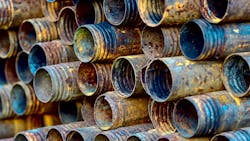

Corrosion is a persistent threat in wastewater treatment facilities. Constant exposure to chemicals and moisture can weaken metal equipment, impacting maintenance costs and reliability. Protective coatings provide a practical and long-term solution to enhance the performance and longevity of your machinery.
Benefits of Using Protective Coatings
Your plant can significantly benefit by investing in protective coatings to improve operational efficiency in the wastewater treatment industry.
Enhanced Protection
Protective coatings create a stable barrier that prevents corrosive elements from reaching the metal surface. This protection is essential in wastewater facilities where chemical exposure and microbial activity can contribute to corrosion.
Increased Durability
High-performance coatings can withstand abrasion, impact, vibration and temperature changes common in treatment plants. When equipment and structural components experience constant movement or harsh cleaning, durable coatings help maintain structural integrity.
Better Aesthetics
Uniform, high-quality finishes improve the plant’s appearance. They also make inspections easier and help maintenance teams quickly spot the early signs of corrosion or contamination, supporting better compliance and operations.
Best Coatings for Protecting Steel and Iron Equipment
Each coating type offers unique strengths depending on the asset and its operational conditions. Consider these reliable options for your plant.
1. Powder Coating
Powder coating provides a durable, uniform finish that performs well in wastewater facilities.
Its baked-on finish offers strong chemical and abrasion resistance, making it ideal for plant components like frames and enclosures.
Keystone Koating delivers advanced powder coating services with an eight-stage pretreatment process and strict quality control, offering significant advantages for equipment regularly exposed to moisture and contaminants.
Key Features
● High chemical, abrasion and moisture resistance
● Multistage pretreatment that enhances adhesion
● Custom application depending on plant needs
2. Epoxy Coating
Epoxy coatings are another reliable option for preventing rust due to their strong chemical resistance and excellent adhesion. They form a hard, protective film that can withstand abrasion and harsh chemicals, including cleaning products used in wastewater processing.
Its tight bond creates a seamless seal with proper application. It’s highly versatile and can be reformulated to suit different components.
Key Features
● Customizable finish
● Strong, seamless adhesion
● High resistance to chemicals and abrasion
3. Polyurethane Coating
Polyurethane coatings offer a flexible, UV-resistant finish that often complements epoxy primers in multi-coat systems. Their weathering resistance makes them an excellent choice for outdoor structures and equipment exposed to sunlight or changing temperatures.
In wastewater applications, polyurethanes help prevent cracking over time, especially on assets that vibrate or flex. They help extend the overall longevity of your equipment.
Key Features
● Excellent UV stability and outdoor durability
● Flexible and minimizes cracking or peeling
● Ideal topcoat for multi-layer corrosion protection
4. Zinc Coating
Zinc coatings act as both a barrier and a sacrificial protection, meaning the zinc corrodes before the steel does. This unique benefit allows zinc systems to deliver long-term defense even when the coating gets scratched or worn.
This sacrificial action makes them effective for outdoor or moisture-prone areas. They offer decades of life in harsh environments.
Key Features
● Sacrificial protection for extreme environments
● Long service life, even with coating damage
● Ideal for outdoor components
5. Ceramic Coating
Ceramic coatings create a dense, high-performance barrier that can resist abrasion, chemicals and higher temperatures. Their hardness makes them popular for equipment that experiences harsh chemicals or mechanical wear.
In wastewater plants, ceramic coatings are ideal for components where erosion and friction are major concerns, like pumps or mixers.
Key Features
● Reliable abrasion and erosion resistance
● High thermal stability
● Ideal for high-wear components
Comparing Top Protective Coatings
|
Coating Type |
Primary Advantage |
Ideal Application |
|
Powder |
A baked-on finish with enhanced adhesion from multistage pretreatment |
General equipment and components like frames and enclosures |
|
Epoxy |
Creates a strong, seamless and customizable bond with the metal |
Components needing a versatile, seamless seal against chemicals |
|
Polyurethane |
Prevents cracking on assets that vibrate or flex |
Outdoor structures and equipment exposed to sunlight or vibration |
|
Zinc |
Continues to protect the steel even after the coating is scratched |
Outdoor and high-moisture components needing long-term defense |
|
Ceramic |
Offers superior resistance to abrasion, erosion and friction |
High-wear components like pumps and mixers |
Methodology for Selection
The above protective coatings for wastewater treatment plant facilities contain the following key criteria:
● Corrosion and chemical resistance: Performance against moisture, chemical cleaning agents and other sources of daily wear
● Durability and adhesion: Film strength and long-term adhesion on steel and iron
● Proven industry performance: Coatings with established success in wastewater and municipal operations
● Suitability for critical assets: How well a coating’s characteristics match the needs of real tank equipment
Key Factors in Selecting a Protective Coating
When selecting a protective coating for your plant's equipment, consider these factors to inform your decision.
Operating Environment
Every part of a wastewater treatment facility comes with different corrosion challenges. For example, equipment near chemical dosing zones is exposed to corrosive substances, while assets in aeration basins experience excess moisture. Outdoor structures must endure UV and weathering.
Understanding specific environmental challenges ensures you choose a coating that can withstand those specific conditions.
Substrate and Asset Type
Different metals behave differently under corrosion and temperature changes. Tanks, pumps, walkways or structural components all have different performance requirements. A coating that excels at repelling moisture may not be ideal for high-vibration or movement conditions. Matching the coating to the asset’s function helps ensure better adhesion and long-term protection.
Application Requirements
Some coatings require multistep application processes, high temperatures or long drying times, which can affect scheduling and labor availability. Wastewater plants must consider whether they can apply a coating without disrupting operations or plan their downtime accordingly.
Long-Term Cost of Ownership
Up-front installation is only part of the total investment. Consider whether the coating can reduce maintenance frequency, require fewer touchups and extend equipment lifespan. A slightly expensive option may save more money in the long run if it significantly delays equipment replacement or unplanned shutdowns due to corrosion.
Protecting Critical Infrastructure
The right protective coating can significantly extend the lifespan of your plant’s steel and iron equipment. Various coating types offer proven reliability for various protection requirements, even in highly demanding wastewater treatment environments. An intentional approach to corrosion control reduces downtime, prevents expensive replacements or repairs, and supports a safe and efficient facility.