EPA proposes revised steam electric wastewater discharge limits
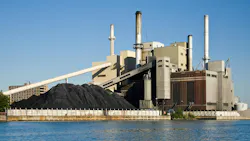
The U.S. Environmental Protection Agency has proposed revisions to wastewater discharge regulations for steam electric power plants that the agency said would lower compliance costs while maintaining Clean Water Act protections for water resources.
The proposed rule would revise effluent limitations guidelines (ELGs) for steam electric power plants by rescinding certain treatment requirements for unmanaged combustion residual leachate and allowing permit writers to establish site-specific discharge limits based on individual facility conditions. EPA estimated the changes could reduce electricity generation costs by up to $1.1 billion annually.
EPA said the proposal builds on actions taken in 2025 to extend compliance deadlines for coal-fired power plants under the Biden administration’s 2024 ELG rule. The agency argued the previous requirements created operational and financial pressures that threatened grid reliability and accelerated coal plant retirements.
Industry organizations welcomed the proposal, citing concerns over electricity demand growth and the cost of wastewater compliance.
EPA said the proposal would continue Clean Water Act protections while giving permitting authorities more flexibility to address unique wastewater streams at steam electric generating facilities. The agency will accept public comments on the proposal for 30 days.