The benefits of continuous water mixing for lift stations
Key Highlights
- Active water mixing prevents FOG from congealing by maintaining continuous movement in the wet well, reducing blockages and overflows.
- Agitators eliminate the need for frequent chemical treatments and manual cleanings, saving time and money.
- Consistent agitation improves pump efficiency, extends equipment lifespan, and minimizes odors and corrosion issues.
- The technology supports a shift from reactive to proactive maintenance, enhancing overall wastewater system sustainability.
- Municipalities are increasingly adopting agitation systems after witnessing their significant operational and cost benefits.
Wastewater lift stations are essential to keeping municipal sewer systems flowing, especially in communities where gravity alone cannot do the job. But for all their importance, lift stations are especially vulnerable to a sticky, odorous, persistent, and costly problem: the buildup of fats, oils, and grease, commonly referred to as FOG. This seemingly unavoidable byproduct of modern living presents one of the biggest headaches for operators trying to maintain pump efficiency and avoid unplanned maintenance.
Why FOG is a problem
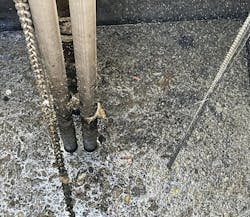
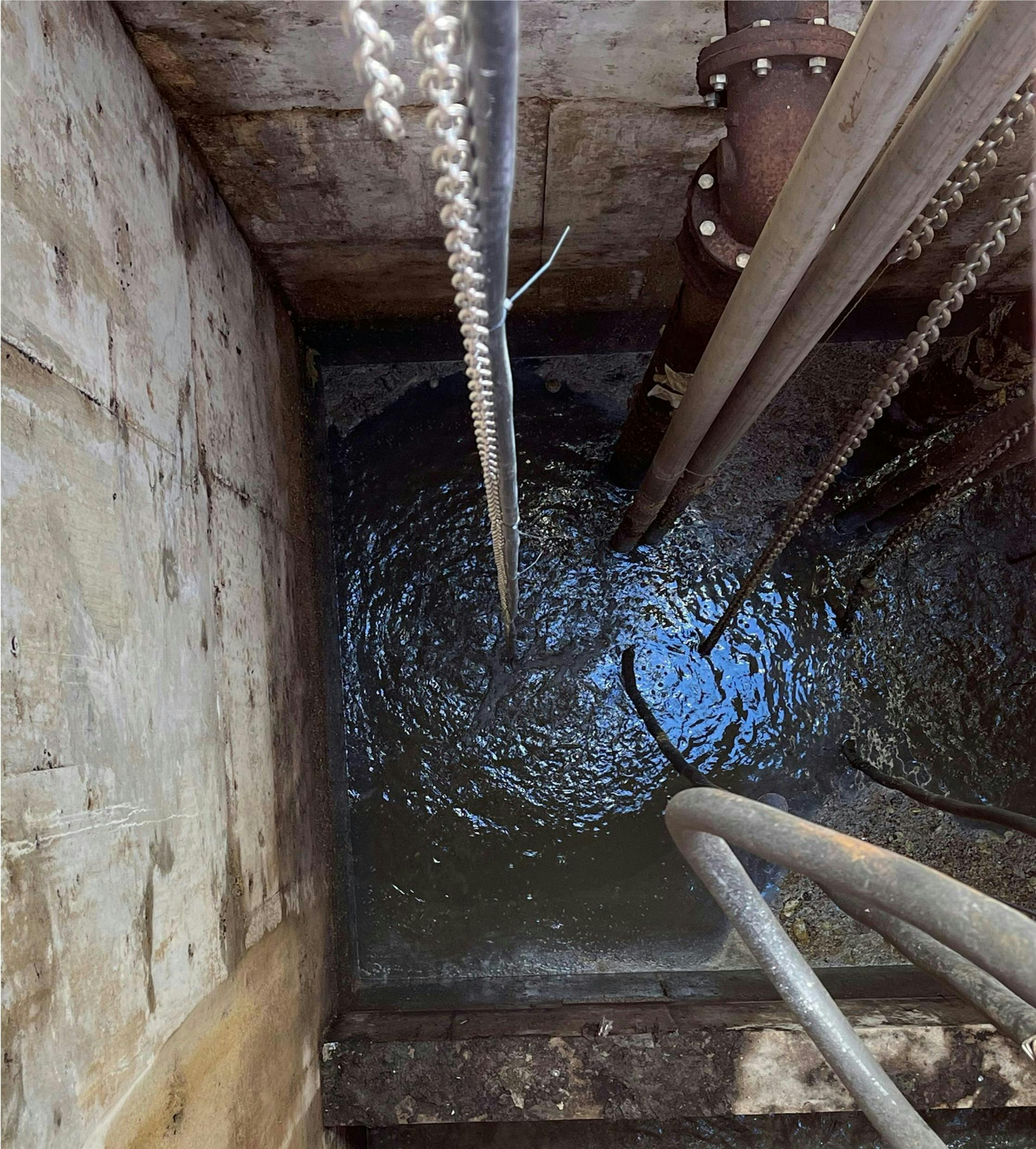
Every time someone rinses a greasy pan, runs a commercial dishwasher, or pours oil down the drain, FOG enters the wastewater system. Once inside a lift station’s wet well, these substances tend to rise to the surface, congeal, and form thick mats that coat pumps, sensors, walls, and piping.
Left unchecked, these buildups can block flow, damage equipment, and cause overflows.
"It doesn’t take long for a grease problem to spiral into a major maintenance issue," said Paul Amos, outside sales representative for Kasco. "You’re looking at increased labor, pump strain, odor complaints, and even environmental fines if it leads to a spill."
Historically, municipalities have tried to combat grease with chemical treatments or frequent manual cleaning. While these methods provide short-term relief, they’re expensive, labor-intensive, and must be repeated regularly. For example, chemical treatments may have environmental downsides and require precise conditions to be effective.
Case study: Farmers Branch, Texas
James Ryan Sartor, director of public works in Farmers Branch, Texas, has seen this problem firsthand.
“This particular lift station originally served just a few commercial properties,” Sartor explained. “But as our service area grew with new residential developments, the character of the wastewater changed, and we started to see serious grease accumulation.”
Sartor and his team initially relied on chemical treatments and bi-weekly manual cleanings. But as the city expanded, the time and money required to maintain the lift station ballooned.
"We were spending thousands annually, not to mention the strain on our staff having to respond to the same issue again and again," he said.
Looking for a better solution, Sartor partnered with Axis Construction to test a new kind of technology: a water agitation system designed to keep grease and solids suspended in wastewater rather than allowing them to float and congeal.
The power of active water mixing
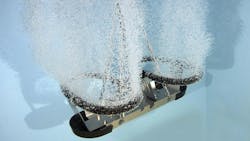
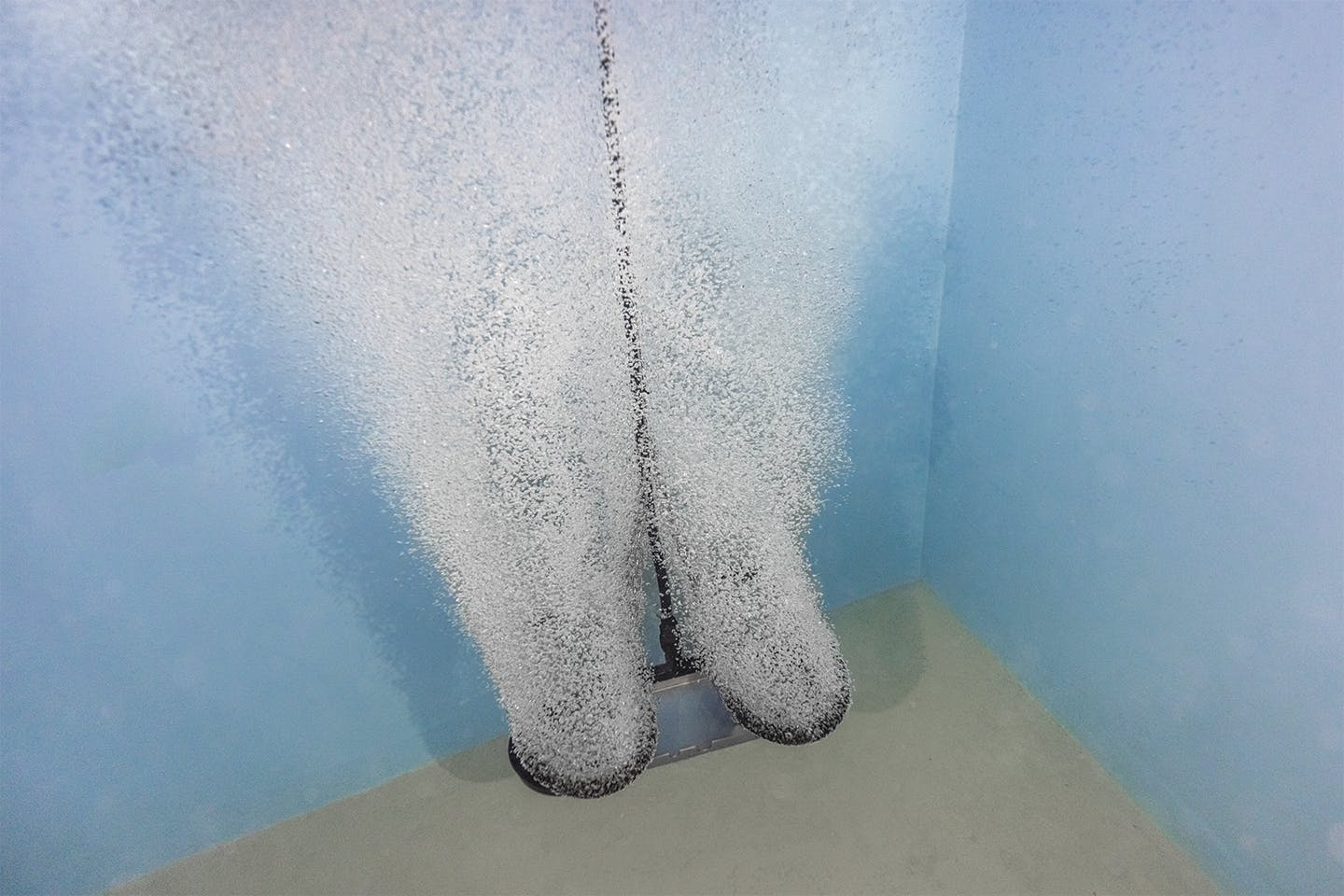
The device they tested was the HydraForce lift station agitator by Kasco, a mixer that operates continuously to keep the wet well in motion. Instead of relying on gravity to settle solids or chemicals to break down grease, HydraForce uses active mixing to prevent FOG from separating and accumulating in the first place.
“By creating continuous movement in the wet well, the agitator breaks up grease before it has a chance to form a mat,” said Amos. “It’s about preventing the problem, not just treating it.”
Within weeks of installation, Sartor’s team saw dramatic changes.
“By early May, the station was noticeably cleaner,” Sartor said. “There was virtually no odor, the water was clearer, and we no longer needed chemical treatment. By August of the following year, we had eliminated chemical use at that station entirely.”
Savings beyond chemicals
The cost savings were immediate and significant.
“Previously, we were deploying crews every two to three weeks for grease remediation,” Sartor said. “Now, we just do our standard weekly inspections, and we haven’t had to clean out grease once since installing the agitator.”
Fewer cleanings mean fewer labor hours, less equipment wear, and reduced use of treatment chemicals. Sartor said the change has also reduced stress on pumps by maintaining more consistent flow and reducing the chance of clogs.
“The water moves better, the pumps cycle more smoothly, and overall, it just operates like it should,” Sartor added. “It’s one of those improvements you wonder how you lived without.”
Why mixing works
FOG separation occurs because of the basic principles of fluid dynamics: oils and greases are less dense than water and will naturally rise to the top if undisturbed. The HydraForce agitator counters this by constantly circulating the water column, disrupting that separation process.
Instead of allowing grease to collect and form mats, the system keeps it emulsified and suspended. This means it can move with the rest of the wastewater through the pumps and force mains to be processed at treatment plants, rather than sticking around to cause trouble in the lift station.
In other words, active mixing turns a passive wet well into an active part of the treatment system.
Additional benefits
HydraForce does not just address grease. Its constant motion also helps minimize odor, reduce corrosion from stagnant conditions, and keep solids in suspension, another common cause of pump damage and blockage.
Amos emphasized the long-term infrastructure benefits.
“By keeping everything moving, you extend the life of your pumps and piping. You also reduce the risk of sanitary sewer overflows, which can be very costly from a regulatory standpoint.”
And because the system runs continuously with minimal maintenance, it frees up time and resources for public works departments already stretched thin.
A shift in thinking
The success of Farmers Branch has inspired other municipalities to rethink their approach to lift station maintenance. Amos noted that some cities initially view the agitator as a luxury or a niche solution, but quickly recognize its value after installation.
"We’ve had several clients tell us the same thing: 'We didn’t think it would make that big of a difference, and now we’re budgeting to put one in every lift station,'” he said.
Sartor echoed that sentiment.
“We’re already planning a major lift station rehab this year, and we’re including this technology in our upgrades. It’s been that impactful.”
Conclusion: Stirring up a smarter approach
As the demands on wastewater infrastructure continue to grow, utilities need solutions that deliver long-term performance, not just short-term fixes. Active water mixing offers a promising alternative to chemical treatments and constant cleanouts, reducing both cost and labor.
By keeping grease and solids in motion, agitators are helping communities operate more efficiently and sustainably. For Sartor, Amos, and others in the field, the results speak for themselves: less grease, less labor, and more peace of mind.
“This has greatly improved our operations,” Sartor said. “And it’s saving us money, time, and effort – all while keeping our systems running the way they should.”
About the Author
Bethany Thompson
Bethany Thompson is the municipal sales territory manager for Kasco.